
Stop 01 · Departure briefing

Beginner tips for Indian truck driving

Start with control, not hurry. This calm first-trip companion helps new players read cargo deliveries, adapt to changing Indian road settings, and approach early truck-driving missions with patience.

Independent route note · Google Play source

etindiancargotrail is an independent review website. Google Play provides the factual game context; the practical advice here is our own interpretation for beginners.

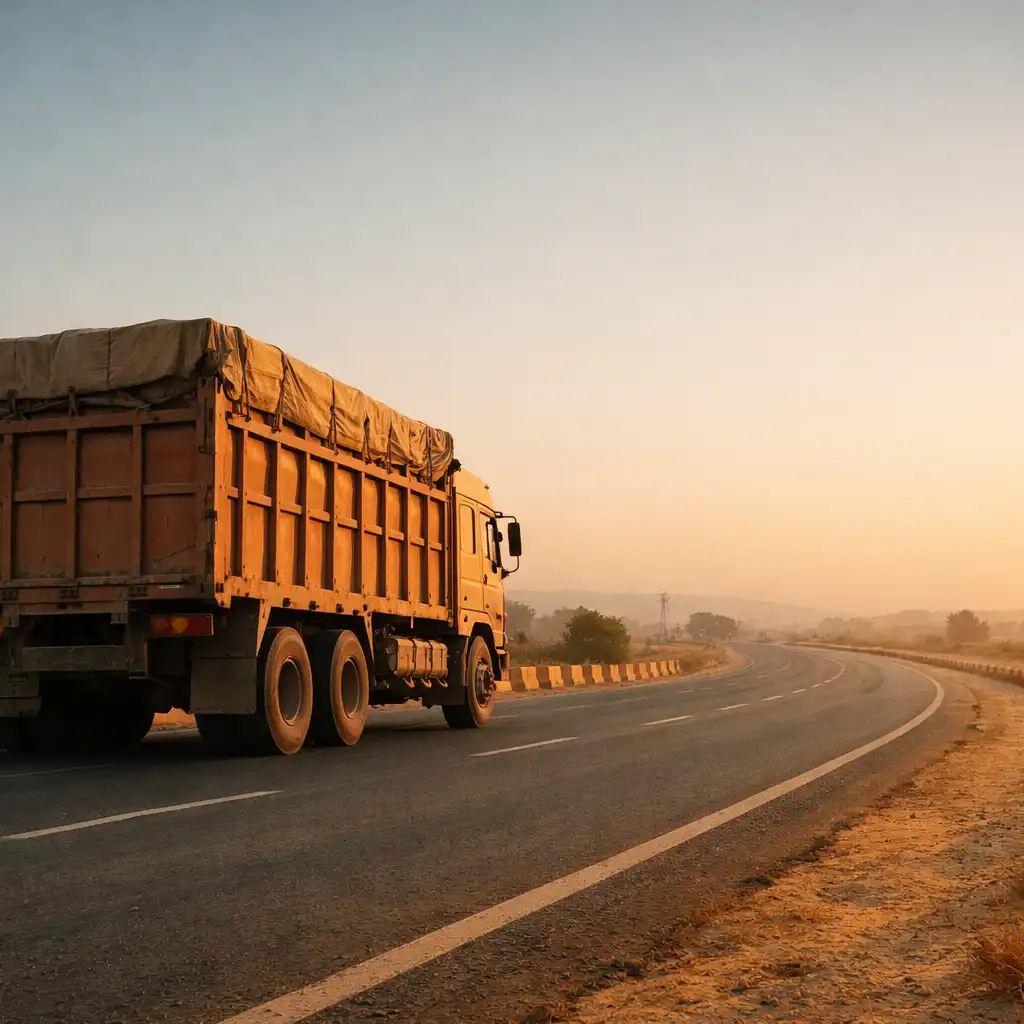
Illustrative generic cargo truck beginning a journey on a broad sunlit road
Illustrative road-journal image; it is not presented as a game screenshot.
View on Google Play
Stop 02 · First session

Start with a control-first session

Before distance becomes the focus, use the opening moments to notice what the truck asks of you. A quieter start makes later route choices easier to read.

01

Practice inputs before chasing distance

Try each available input one at a time before you ask the truck to do several things at once. Notice how it responds when you steer, accelerate, slow down, or change the view where that option is available. The point is not to find a perfect setting; it is to build a useful feel for how quickly the vehicle changes direction and how early you need to begin slowing.
02

Use open space to build a turning rhythm

As a general truck-game habit, aim for a smooth steer-straighten-steer rhythm rather than a chain of sharp corrections. Early overcorrection can make truck width harder to judge. Leave yourself room before a bend, set up your direction, then observe the result before adding another input. This is more useful than reacting at the last possible moment.

03

Make the first goal a clean finish

Think of early missions as a chance to understand a delivery loop, not a race. Keep the visible route readable, make cargo movement manageable, and let the game itself define any mission-specific objective. If a replay or restart option is offered, use it only when it helps you learn a difficult moment rather than chase a rushed run.

“A calmer finish teaches more than a hurried start.”

Stop 03 · Before departure

Read every delivery before moving

A useful cargo run begins before the truck moves. Take a moment to read what you can see: the load, the road context, and the room you have to settle into a pace.

Cargo stamp

Identify the load’s practical demands

The game is presented as including cargo delivery and heavy-load handling. When a load looks heavy or visually bulky, use that context as a cue for gentler decisions. Give yourself more room to turn and slow, and avoid treating every change in direction as something to solve late. You do not need weight values or physics details to choose a more careful approach.

Route reading

Notice what the road is asking for

Before committing to a pace, look at whether the route appears highway-like, rural, mountainous, or off-road. Indian highways, rural and mountain routes, and off-road sections all belong to the game context. The surface and visual rhythm may change how much room you want for a correction. Treat those cues as a reason to prepare earlier, not as a claim about fixed terrain effects.

Pace marker

Choose patience as the delivery strategy

Leave a margin for unfamiliar corners, surface changes, and cargo movement. That is independent gameplay advice, not an official instruction. The game remains the authority on any mission objective, but beginners can usually make clearer decisions by resisting the idea that speed is the default priority. Give each new stretch of road time to reveal what it needs from you.

Stop 04 · Terrain notes

Change the pace, not the goal

The destination remains a careful delivery. What changes from one visible route context to another is the amount of time and space you give yourself to make the next decision.

01

Highway: scan farther ahead

On a highway-looking stretch, use the longer visual horizon to plan steering inputs early. Consistent positioning and smooth direction changes are easier to judge when you look beyond the truck rather than wait for the next bend to arrive. This is about reading ahead, not assuming lane rules, traffic density, or speed limits.

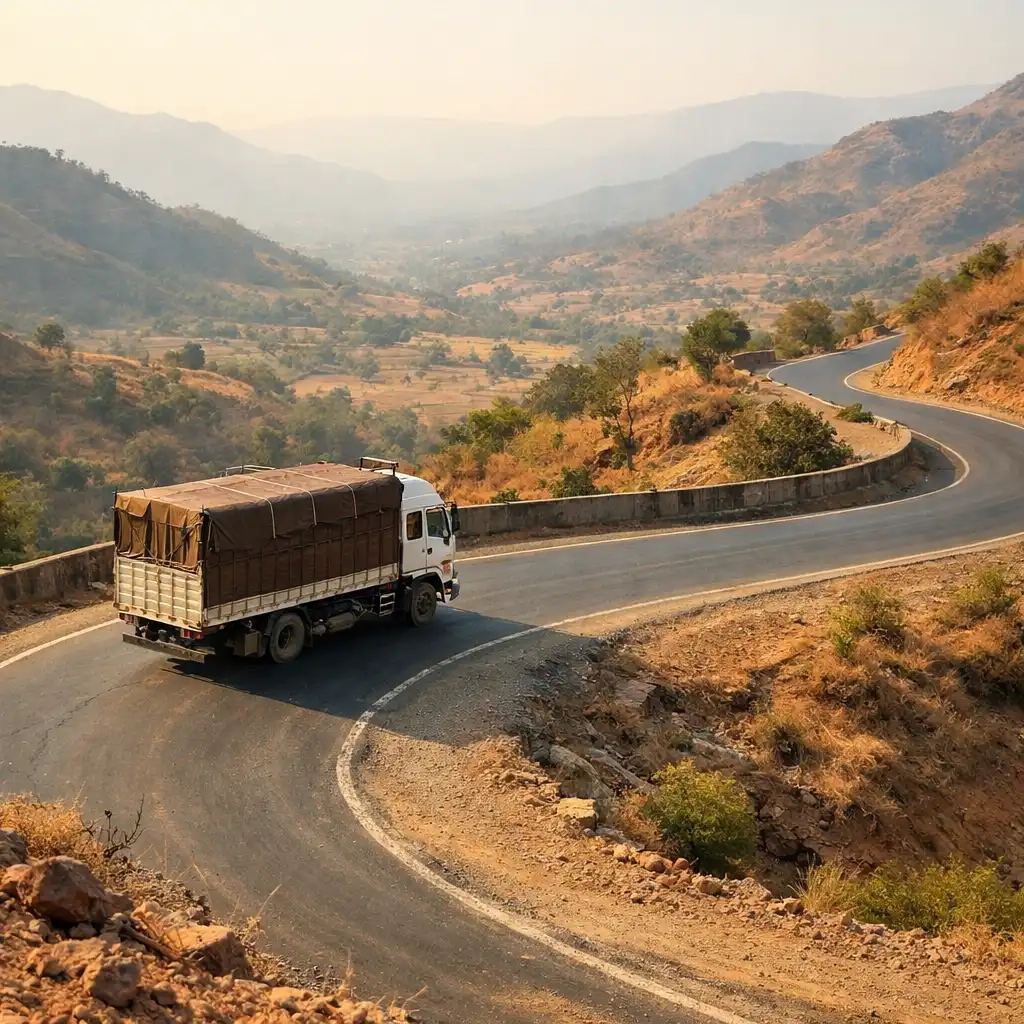
Illustrative generic cargo truck following a curving road through hills
Illustrative terrain context, not an official game location or screenshot.
02

Rural routes: expect a tighter visual rhythm

When a road appears narrower, more irregular, or visually busier, slow your decision-making down. Look through the next bend instead of fixing your attention on the truck’s front. You are not predicting obstacles; you are leaving room to notice the visible route and choose a calmer line through it.

03

Mountain roads: set up the turn early

A mountain-road look is a useful prompt to approach corners with more space and fewer abrupt changes. Set up your entry, make a controlled turn, and release steering gradually when the road opens again. This does not assume gradients, guardrails, or particular braking behaviour; it is a practical way to keep the next action readable.

04

Off-road sections: protect your line

When a route appears less paved or more uneven, favour deliberate inputs and avoid forcing a quick recovery. Look for the most stable visible path through the section, then give yourself time to follow it. The advice stays conditional because the scene in front of you, rather than a fixed rule, should guide the choice.

Evidence note · Google Play context

Heavy-load habits worth repeating

The game is presented as including heavy-load handling. That is the limited sourced context; the habits below are independent advice for approaching a loaded drive with more care and clearer decision-making.

01

Brake and turn as separate decisions

Where the play situation permits, try to finish most of your slowing before asking the truck to make a significant change of direction. Stacked corrections can be difficult for a beginner to read because you are judging pace and steering at the same time. Separating the decisions gives you a clearer view of what the truck is doing and what the road ahead still allows.

02

Leave a recovery margin

Do not place the truck so close to an edge, corner, or visual obstacle that one small uncertainty demands a much larger correction. Margin means both space and time: space to make a measured adjustment, and time to observe whether it worked. That approach supports confidence without asking for flawless performance on every delivery.

03

Make smooth inputs your default

Gentle acceleration, early steering, and patient corner exits can make a loaded drive easier to evaluate. They do not promise a particular outcome, but they make it simpler to notice which decision helped. Keep one memorable habit in mind: set up early, then let the truck finish the move.

Stop 06 · Recovery routine

A simple recovery routine

When a turn or rough-looking section stops feeling under control, simplify the next decision instead of trying to correct everything at once.

01

Pause the urge to correct everything

Do not assume a pause feature is available. Instead, pause the urge to make several inputs at once: first notice where the truck is pointed and what the visible road ahead allows. One deliberate correction is easier to assess than a burst of reactions. Reducing the number of decisions gives you a practical starting point when the route feels uncertain.

02

Regain a predictable line

Gently guide the truck back toward the clearest visible route rather than making an aggressive opposite correction. Treat this as an observation-and-response habit, not a claim about traction or exact steering behaviour. It connects to the earlier advice on smooth steering: make one clear adjustment, then give yourself a moment to see where that choice is taking you.

→General driving cue
03

Resume with more space than before

Once the truck is pointed where you intended, the next useful adjustment is often a calmer pace and an earlier setup for the following direction change. Recovery is part of learning, not proof that a run has gone wrong. Regain the line first; then continue with more time and space.

Stop 07 · Roadside notice

Common first-trip mistakes

These are not confirmed penalties or official tips. They are everyday habits that can make a beginner’s drive harder to interpret than it needs to be.

Avoid

Rushing a corner because the road looks open

Late, sharp turning can leave little time to understand the direction you have chosen.

Try instead

Set up earlier and steer more gently

Look farther ahead and begin the turn with room to observe it. A calmer setup gives you a better chance to adjust without turning the corner into a last-second reaction.

Avoid

Correcting back and forth repeatedly

Several rapid changes can make the truck’s intended direction difficult to read.

Try instead

Make one clear adjustment, then observe

Give a deliberate correction time to show its result before adding another. The recovery routine works best when you return to a predictable line instead of chasing each small uncertainty.

Avoid

Treating every surface the same way

One repeated rhythm may not suit every highway, rural, mountain, or off-road-looking context.

Try instead

Reassess pace and turning space

Use visible route cues as a reason to look again at your pace. Highway, rural, mountain, and off-road contexts invite different amounts of preparation, even without assuming fixed effects.

Avoid

Measuring progress only by speed

Speed alone does not show whether you are learning to read the route or carry cargo thoughtfully.

Try instead

Measure consistency and calmer choices

Progress can mean reading a route earlier, handling cargo with more care, and approaching a mission with better control. That is a useful independent-review lens for every first trip.

Stop 08 · Takeaway ticket

Carry the route in your head

01

Before moving: inspect

Identify the visible cargo context, the road type, and the amount of room available for the first manoeuvres. Begin by reading the delivery rather than reacting halfway through it.

02

While driving: smooth out the decisions

Scan ahead, set up early, and avoid stacking abrupt corrections. Use terrain and heavy-load cues to decide where patience will give you more useful space.

03

At uncertainty: recover, then continue

Regain a predictable line, then resume with more time and space. Careful progress is valid progress when you are still learning a mission.

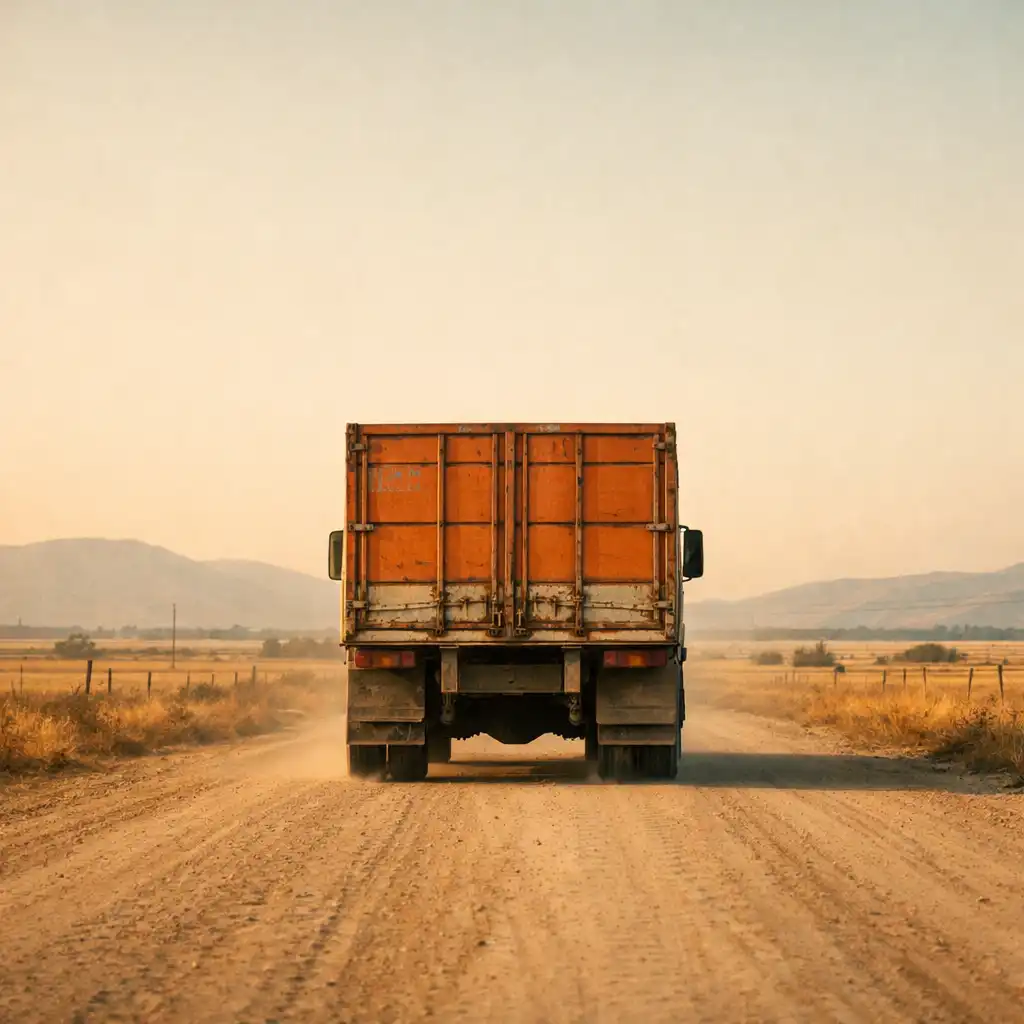
Illustrative generic cargo truck travelling along a dusty rural road toward low hills
Illustrative visual note This editorial landscape supports the route theme and is not a confirmed game screenshot or specific in-game location.
Stop 09 · Route-side context

Route variety gives beginners different things to notice

A mix of highway, rural, mountain, and off-road contexts can make careful observation more useful than relying on one repeated driving rhythm. The stated variety is a reason to adapt to what you see, not a promise about the number or sequence of routes.

Stop 10 · Next delivery

Take a calmer first run

Use the guide’s core approach when deciding whether to try the game: observe the route, set up early, and make smooth corrections. It is a practical way to begin exploring cargo delivery and truck-driving missions without promising a particular result.

View on Google Play

etindiancargotrail is an independent review site. Check the Google Play listing and in-game information for current details; Google Play is the factual source for the game context used here.